Home heating is one of the largest sources of energy consumption in households, but also a significant factor affecting CO₂ emissions and environmental pollution. That is why in recent years more and more attention has been paid to modern heating systems that offer higher efficiency, lower costs and a smaller ecological footprint.
In this text, we explain how modern heating systems contribute to energy savings, why they have a smaller impact on the environment, and how these advantages are directly reflected in the household budget.
Why is heating a key point of energy consumption?
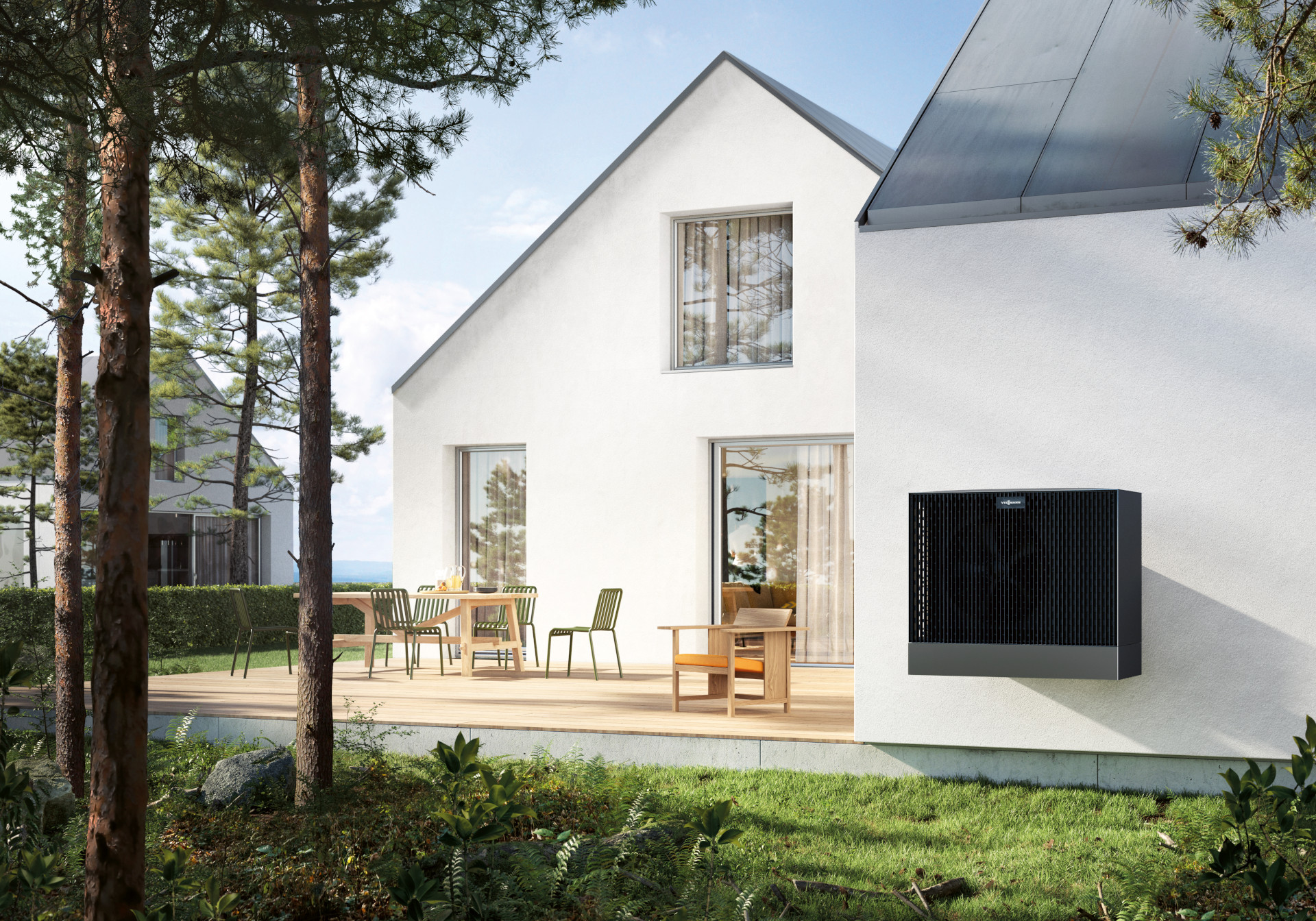
In the average household, heating accounts for the largest part of the total energy consumption during the year. Traditional systems, especially those that rely on fossil fuels, consume large amounts of energy and produce significant amounts of CO₂.
Modern heating systems try to change that relationship, using energy more efficiently and smarter.
How do modern heating systems reduce energy consumption?
Modern heating systems, such as heat pumps and hybrid systems, are based on the principle of maximum utilization of available energy. Instead of producing energy by combustion, they transmit it or combine multiple sources in an optimal way.
In practice this means:
- Lower total energy consumption
- More stable operation of the system throughout the season
- Smaller losses in heat distribution
This approach directly affects the reduction of monthly heating costs.
Reducing CO₂ emissions – a small step for the household, a big step for the environment
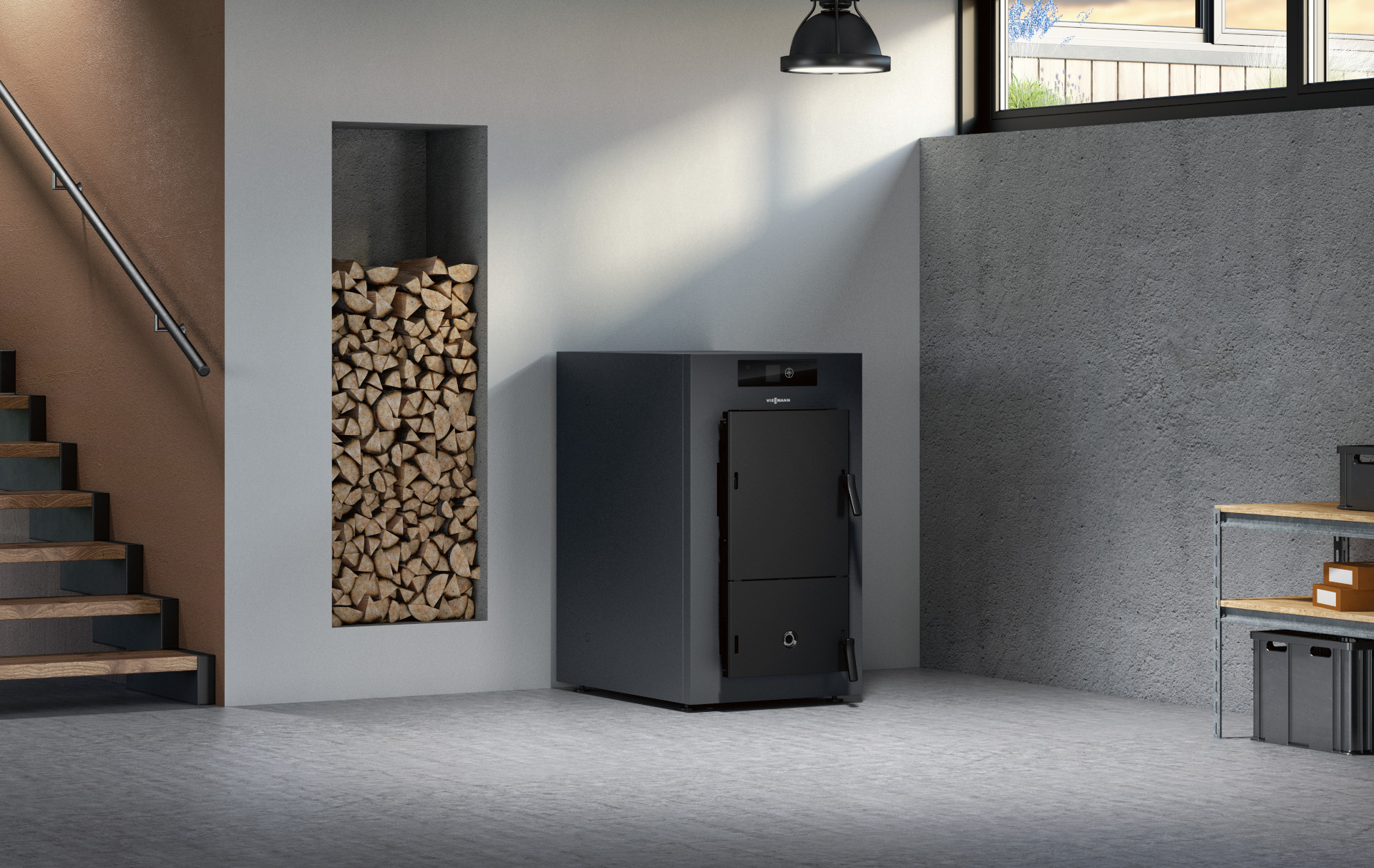
One of the biggest advantages of modern heating systems is the significant reduction of carbon dioxide emissions. As more and more electricity is produced from renewable sources, the systems that use electricity are becoming "cleaner".
For households this means:
- Less impact on climate change
- Cleaner local environment
- Long-term sustainable way of heating
Although the individual facility appears to be a small factor, the cumulative effect of the transition to more efficient systems is of great importance.
Savings that you can actually see
Environmental benefits often go hand in hand with financial savings. Modern heating systems allow:
- Lower monthly bills
- Less dependence on energy price changes
- More predictable costs during the heating season
The biggest savings are achieved in buildings with good thermal insulation and a properly designed heating system.
Energy efficiency as a long-term investment
Unlike classic heating systems, modern systems are not only seen as an expense, but as an investment in the future of the home. In addition to lower operating costs, they increase the value of real estate and improve overall living comfort.
In the context of increasingly strict energy standards, an energy-efficient heating system is becoming an increasingly important part of every household.
Heating that thinks ahead
The choice of a heating system today is not only a technical issue, but also a decision that affects the quality of life, costs and the environment in the years to come. Modern heating systems make it possible to create a comfortable home, rational energy consumption and a more responsible attitude towards the environment at the same time.
The right decision begins with understanding the possibilities and real needs of the object, not with a quick purchase. Heating that thinks ahead brings savings, safety and long-term value.
 EN
EN  SR_RS
SR_RS