Heat pumps are increasingly mentioned as a modern, energy-efficient solution for heating and cooling the home. However, before the actual purchase, it is important to understand how heat pumps work in real conditions, what are their advantages, but also what can be a limitation if the system is not properly selected or designed.
In this text, we explain the key things that every home owner should know before deciding to install a heat pump.
How heat pumps work in everyday use
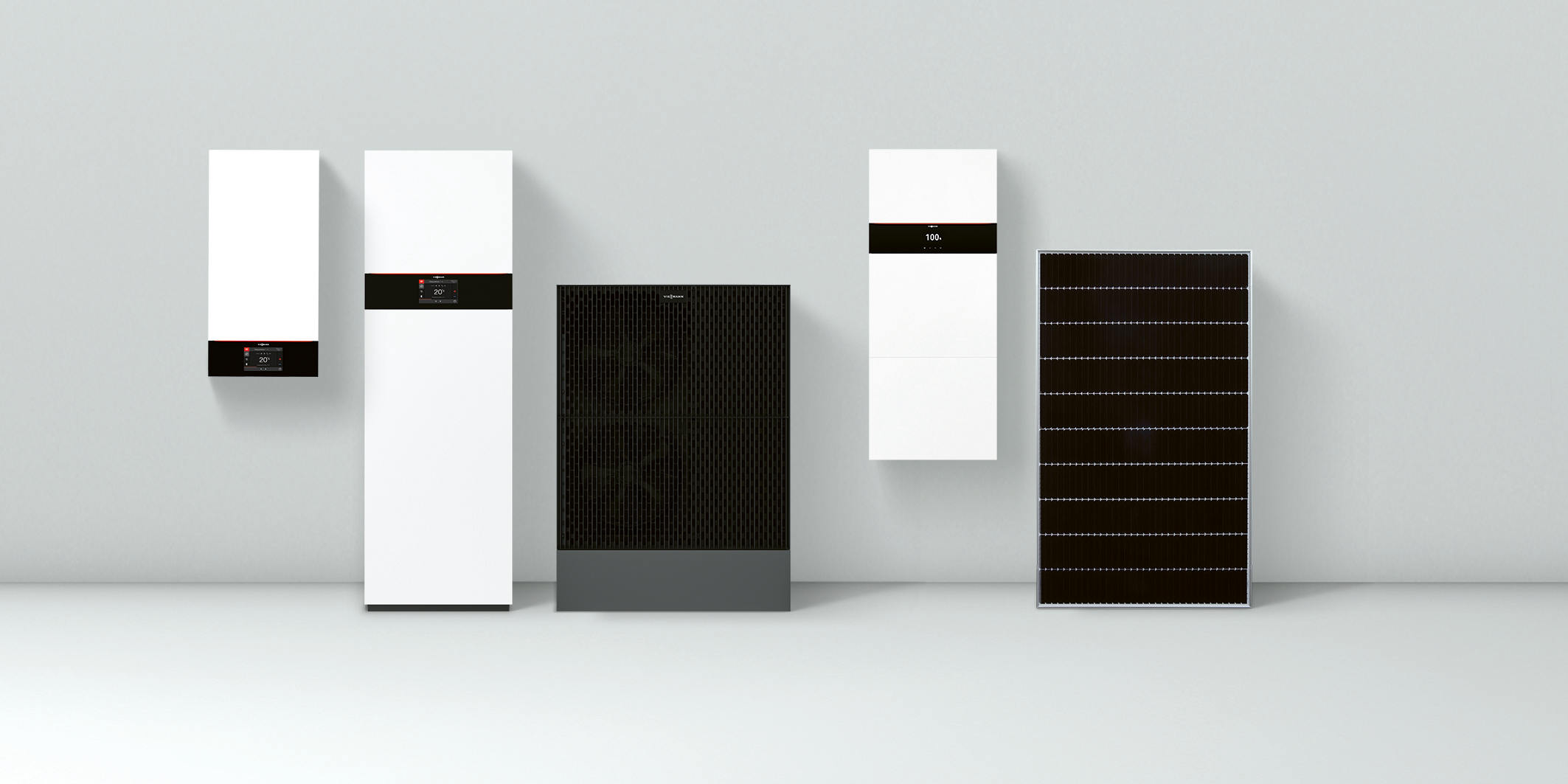
Heat pumps use energy from the environment, most often from the air, and convert it into heat for space heating and the preparation of domestic hot water. Unlike classic heating systems, they do not produce heat by combustion, but transfer it, which makes them much more efficient.
In practice, this means that for one kilowatt of electricity, they can produce several kilowatts of thermal energy, depending on the outside temperature and the type of system.
Which type of heat pump is the right choice?

There are several types of systems on the market, and the most common are:
- Air-to-water heat pumps
- Earth-water systems
- Water-water systems
For most households, air-to-water heat pumps represent the best balance between price, ease of installation and performance. Other systems offer greater stability in operation, but require significantly higher initial investments and more complex installations.
What are the real savings with heat pumps?
One of the most common questions is how much can really be saved. The answer depends on several factors, but in practice:
- Heating costs are significantly lower compared to gas and electricity
- The biggest savings are achieved in well-insulated buildings
- The system is most efficient in combination with underfloor heating
It is important to emphasize that heat pumps are not a magic solution if the building does not have adequate insulation. In such cases, the expected savings may be less.
Are heat pumps reliable in winter?
Modern heat pumps are designed to work even at low outside temperatures. However, their efficiency decreases as the outside air temperature drops.
In practice, this means that proper calculation of system power is crucial, as well as the possibility of additional heating in extreme conditions, especially in continental climates.
Installation and maintenance - what you need to know in advance
Installing a heat pump requires a professional approach. An incorrectly dimensioned system can lead to increased consumption and reduced comfort.
Also, although they require less maintenance compared to conventional heating systems, regular services are still important to keep the system working reliably and in the long term.
The most common mistakes when buying a heat pump
Before buying, homeowners often make the following mistakes:
- Focusing solely on the price of the device
- Neglecting the thermal insulation of the building
- Inadequate sizing of the system
- Selection of an unverified contractor
Avoiding these mistakes significantly increases the chances that the system will meet expectations.
Conclusion - The right choice of heat pump requires good judgment
Heat pumps are an effective and long-term profitable solution, but only if they are correctly selected and installed. Understanding how it works, realistic savings and technical requirements is key to making a good decision.
Before buying, it is recommended to consult with experts who can assess the specific conditions of the object and suggest the optimal solution.
 EN
EN  SR_RS
SR_RS